USK International Student Represents University in SOI Asia EBA Research Workshop in Thailand
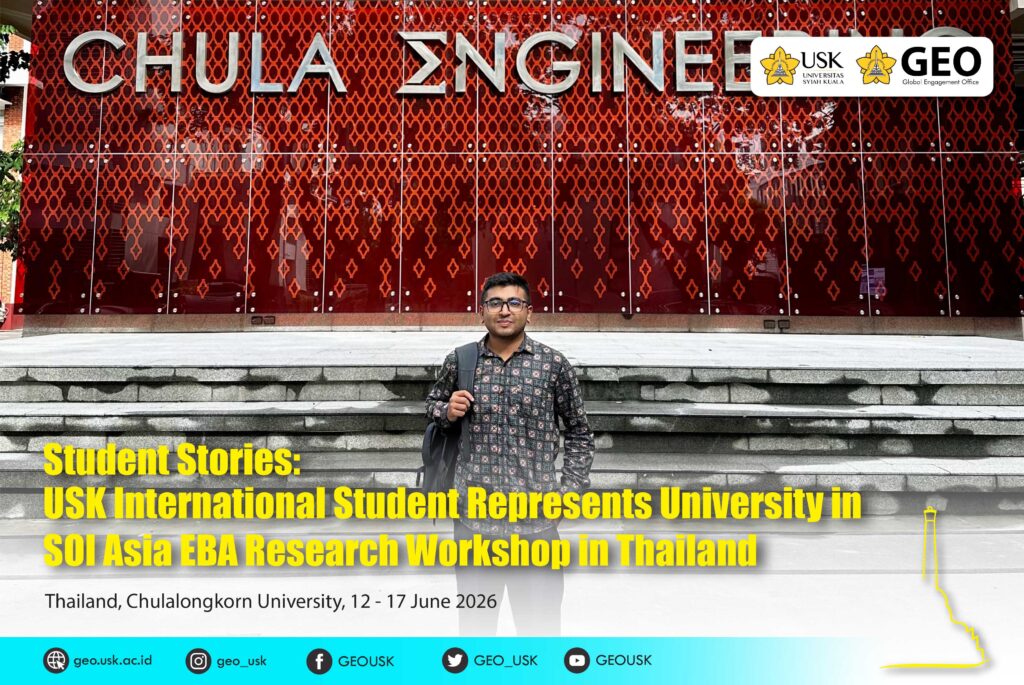
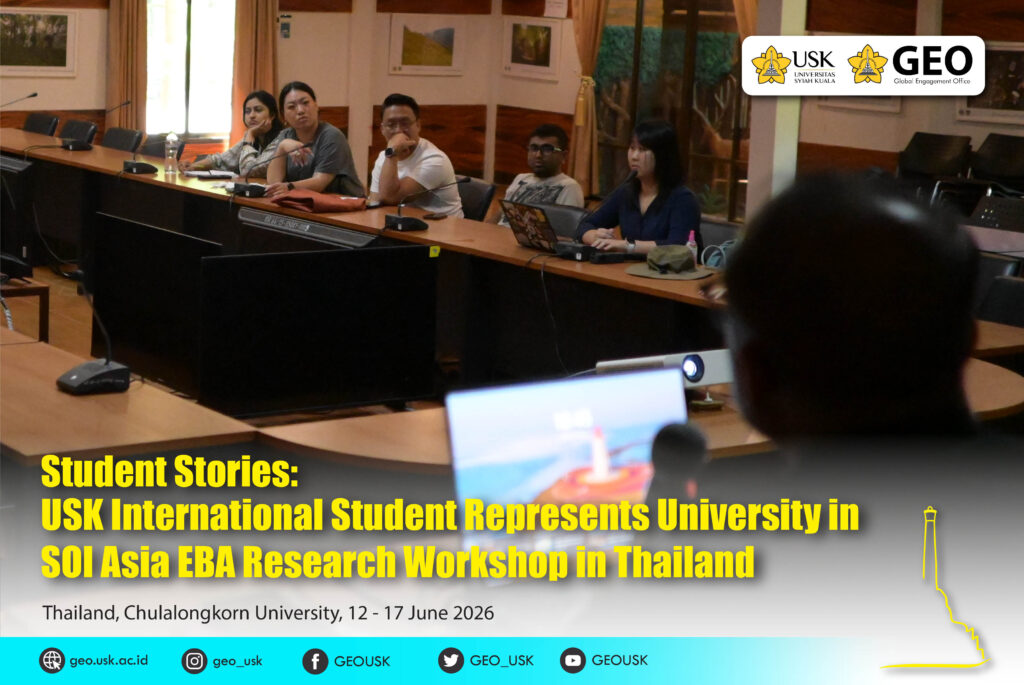
Md. Imran Mahmud, a Bachelor’s student in Computer Engineering of Universitas Syiah Kuala from Bangladesh, recently had the opportunity to participate in the SOI Asia (School on Internet Asia) EBA (Evidence-Based Approach) – KRI Fieldwork Program, hosted by Chulalongkorn University, Thailand. He also is the KNB awardee batch 2023.
SOI Asia is a collaborative educational network that connects universities across the Asia-Pacific region through information and communication technology. Besides offering online learning opportunities, SOI Asia organizes international fieldwork programs that bring together students from different countries to address real-world challenges.
This EBA – KRI Fieldwork program aims to promote interdisciplinary learning by combining environmental science, engineering, biodiversity, and social studies to develop practical solutions for sustainable development. By encouraging collaboration among students, researchers, and local communities, the program contributes to building more resilient societies that are better prepared to face environmental, social, and technological challenges.
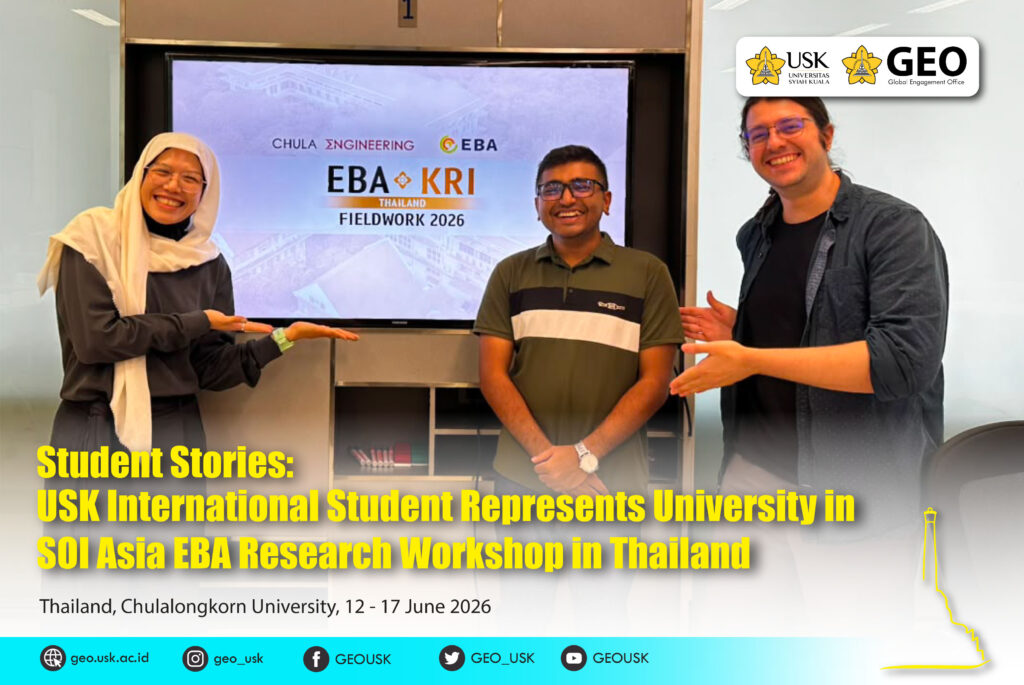
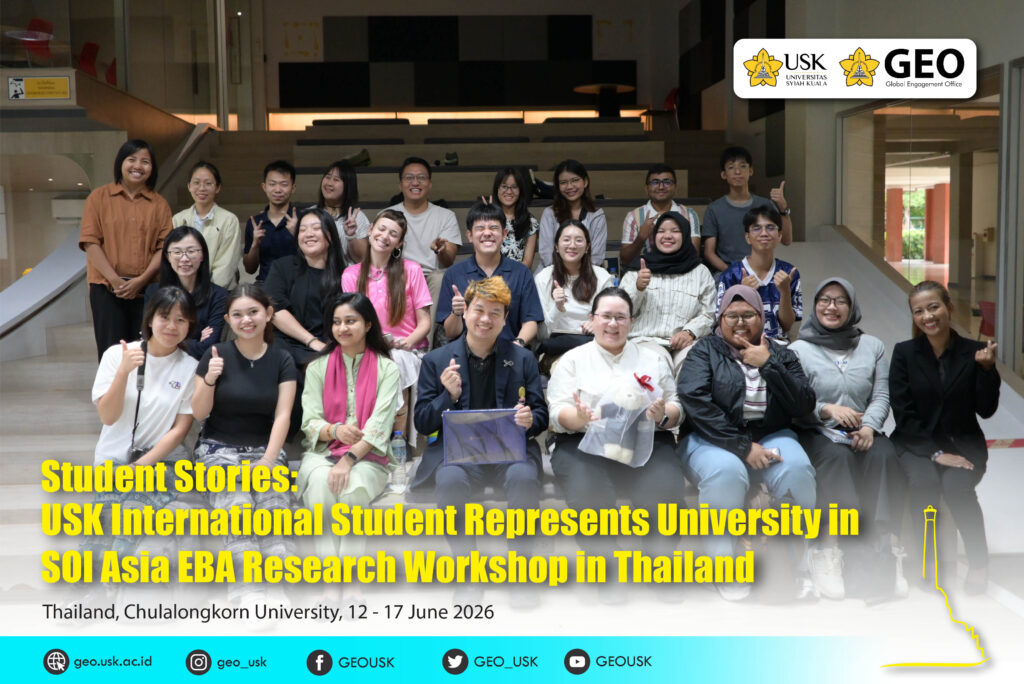
In this year program, a total of 17 students participated in the program, representing 12 universities across eight countries in the Asia-Pacific region. Before the fieldwork began, all participants attended two months of online lectures covering the program’s concepts and technical foundations.
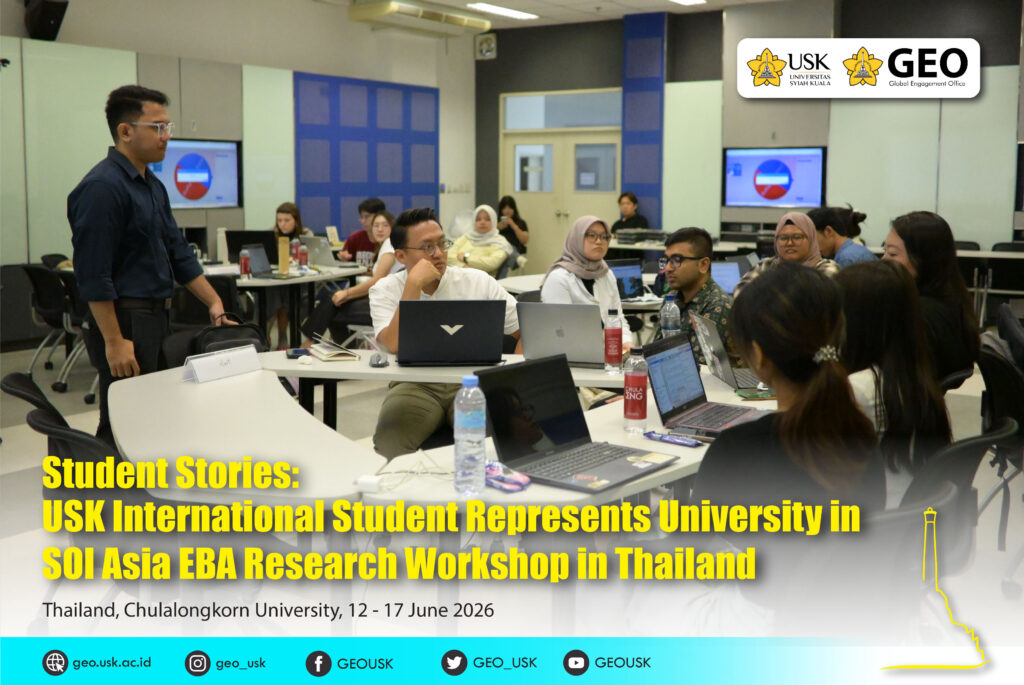
The on-site fieldwork was held from 12–17 June 2026, at Chulalongkorn University. Participants learned how to use Google Earth Engine for remote sensing and geospatial data analysis. Using satellite data, participants developed hypotheses about the relationships between society, the natural environment, and engineering infrastructure in Thailand’s Kanchanaburi Province.
They all then traveled to Kanchanaburi to validate the hypotheses by conducting field research and interviewing local stakeholders and community members. During the fieldwork, participants also visited Mahidol University Kanchanaburi Campus, Erawan National Park, and Srinagarind Dam, where they gained valuable insights into environmental management, water resources, and community resilience.

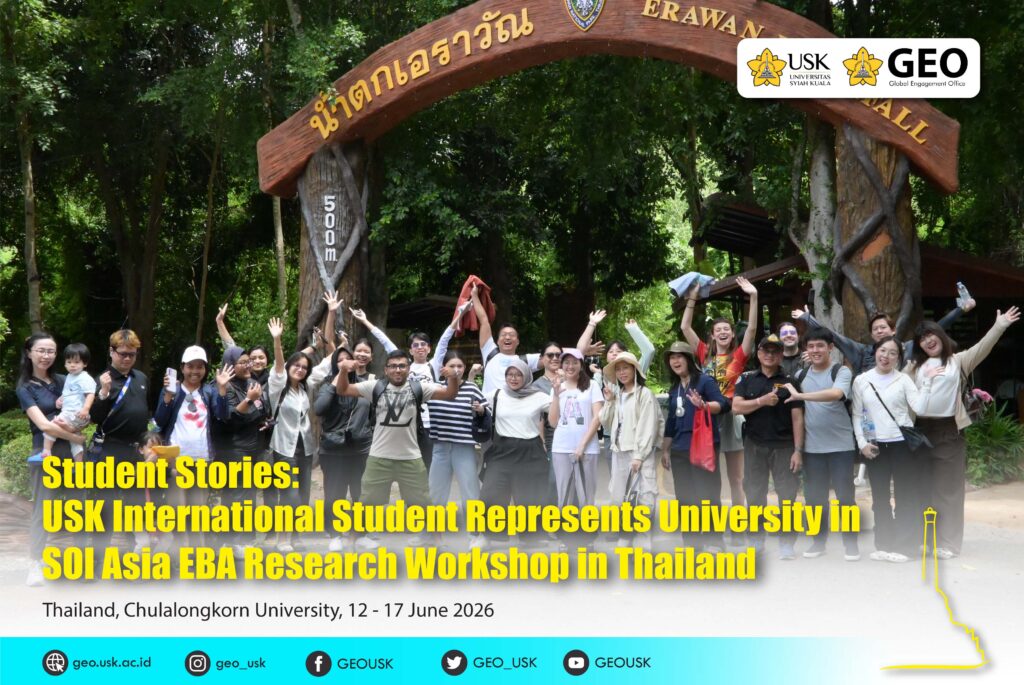
At the conclusion of the program, participants compared the results generated through Google Earth Engine with data collected from field interviews to evaluate their hypotheses. The findings were then presented during the final presentation session as a means of disseminating research outcomes and recommendations.
Imran expressed his gratitude for the opportunity to participate in the program and represent USK on an international platform.
“It is a great honor for me to represent USK in this international research program. Throughout the program, I not only gained new knowledge in remote sensing, geospatial analysis, and field research, but also learned how to collaborate with students from different countries and academic backgrounds. This experience broadened my perspective on the importance of interdisciplinary collaboration in addressing sustainable development challenges,” said Imran.
“I hope to apply the knowledge and experience I gained to future research and community engagement activities. Furthermore, I would like to share these experiences with the USK academic community and contribute to the development of research, innovation, and international collaboration that can benefit society,” he added.
The participation of USK’s international student in the International Research Workshop of SOI Asia EBA-KRI Fieldwork project reflects the university’s commitment to supporting students’ academic capacity development at the global level, expanding international partnerships, and fostering outstanding human resources capable of contributing to sustainable development through research, innovation, and cross-border collaboration.